
Ex-Mormon influencer tells Allie Beth Stuckey the angel Moroni is a demon
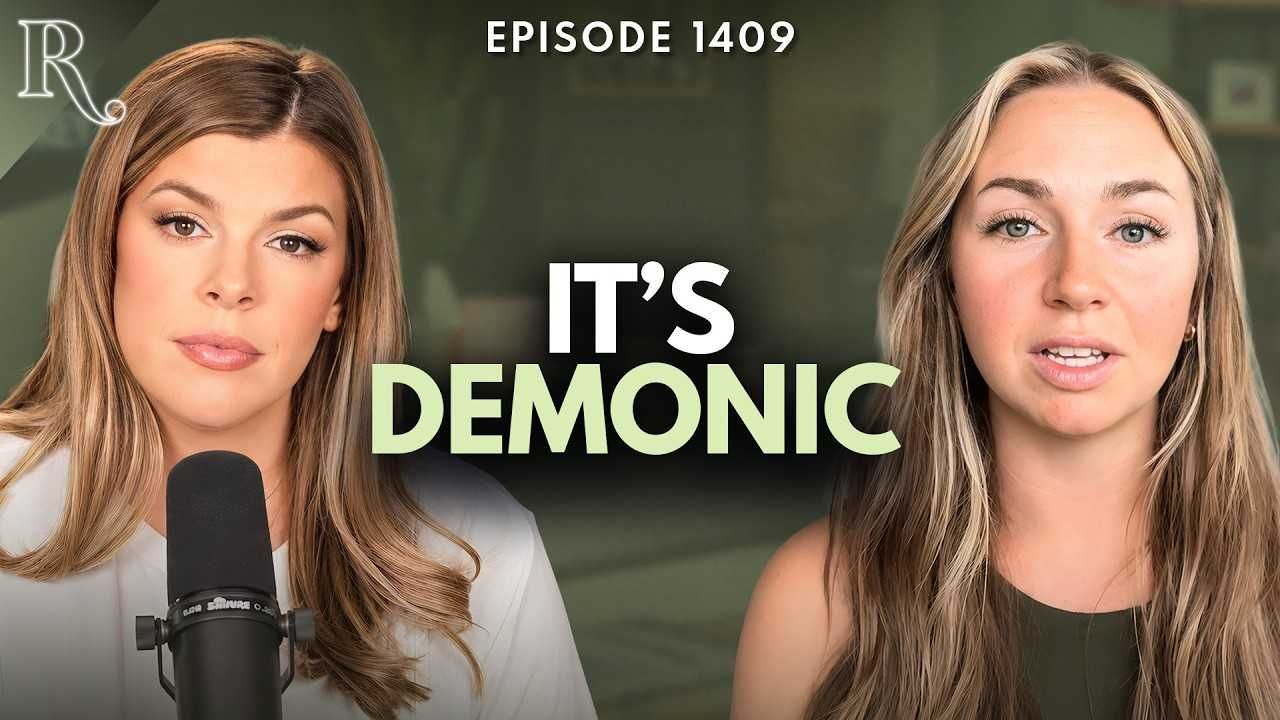
Kighley Medrano was born and raised in the Mormon church but became an evangelical Christian after she married her husband. Today, she uses her platform to share her testimony of leaving the LDS church and to expose problems with Mormon theology by contrasting it with the biblical gospel.
On a recent episode of “Relatable,” Kighley told Allie Beth Stuckey that the religion of Mormonism has “satanic underpinnings” and that the angel Moroni — who, according to LSD faith, directed Joseph Smith to the golden plates — is a demon.
“In the Mormon temple ... to receive your endowments, there is a video that everyone has to watch,” Kighley says, explaining that the video is about the fall of Adam and Eve.
At one point in the video, she says, Satan breaks the fourth wall and tells the audience to put on their “aprons,” which have “fig leaves” on them. Not only are Mormons “buried in their fig-leaf aprons,” which Kighley says is “undoing ... the work of Christ,” but “the only time that you’re told to do anything in the temple is from Satan.”
On top of that, Mormonism has “re-erected the temple,” she says.
“There is a veil that is put back up, and there is a holy of holies. It’s called the celestial room, and that is where God’s spirit dwells,” Kighley tells Allie. “So, they’ve undone the work of Christ even in that.”
“Even though, yes, the word ‘Jesus’ is in the name, the undoing of the work of Christ is so evident throughout the Mormon religion and teachings,” she adds, calling it “satanic.”
The revelation that caused “an immediate paradigm shift” for Kighley, however, was when she was taught how the Bible describes Satan.
While she was still part of the Mormon faith, Kighley’s daughter befriended another girl, whose mother had left the LDS church for Christianity. One day while their daughters played, they had a deep discussion over their differing faiths.
“I said, ‘OK, so then what about, “By your fruits you will know them”? Generally, the Mormon church produces good, moral families; good, moral children. What about that? What about the fruits?’” Kighley recounts.
“And she said, ‘I agree that generally the Mormon church produces good, moral families and children, and it looks really good on the outside, but Satan comes dressed as an angel of light.’”
Kighley says that at the time of this conversation, she was unaware that this was verbatim from Scripture.
“When she said that, immediately the angel Moroni popped into my brain, and it was like just the lights flipped on, scales fell from my eyes, and an immediate paradigm shift happened,” she says. “And I knew that the angel Moroni was a demon.”
To hear more of Allie and Kighley’s conversation, watch the episode above.
Want more from Allie Beth Stuckey?
To enjoy more of Allie’s upbeat and in-depth coverage of culture, news, and theology from a Christian, conservative perspective, subscribe to BlazeTV — the largest multi-platform network of voices who love America, defend the Constitution, and live the American dream.
Allie Beth Stuckey exposes the evil behind popular cycle tracking apps — and announces her pro-life alternative
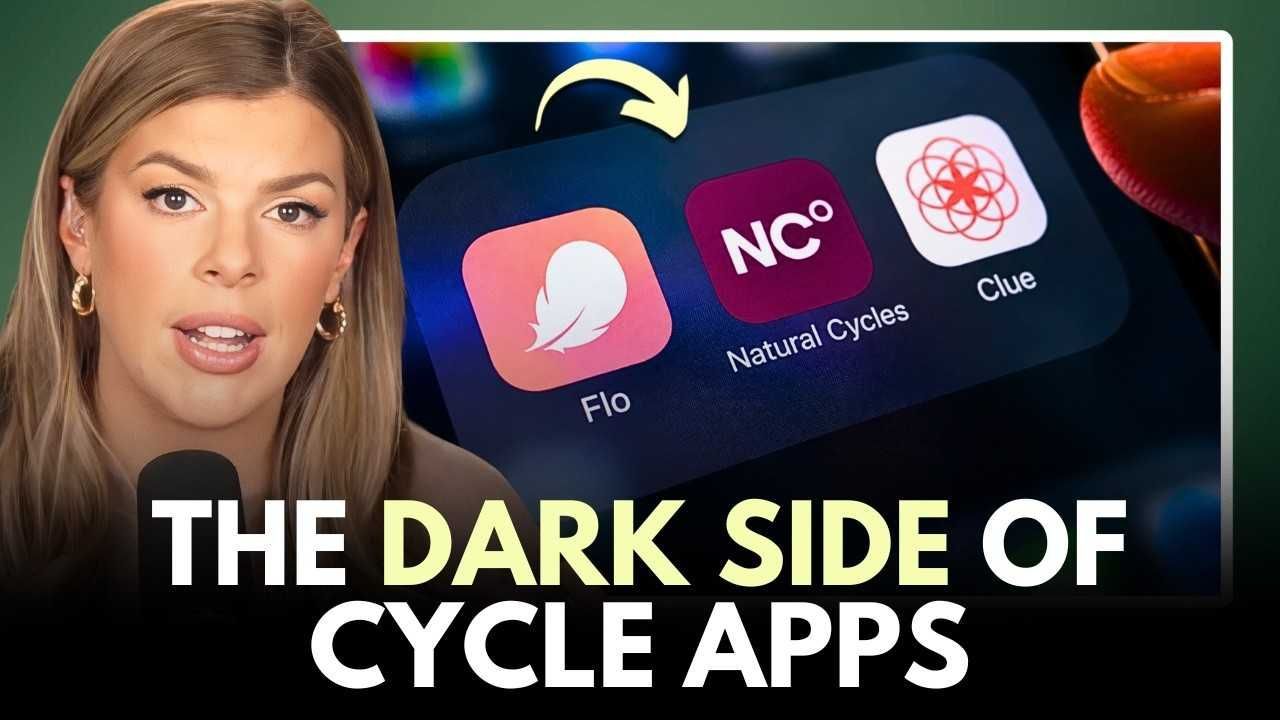
On October 10 at Share the Arrows — Allie Beth Stuckey’s annual Christian women’s conference — the BlazeTV host and soon-to-be mother of four announced a project she and her husband have been working on since early last year: Ana Kate, a pro-life cycle, pregnancy, and postpartum tracking app.
But this project isn’t just about creating a conservative Christian alternative to the plethora of cycle and pregnancy tracking apps out there. It’s also about countering the evil perpetuated by those secular apps.
On a recent episode of “Relatable,” Allie shared the why behind Ana Kate by exposing how most popular cycle and pregnancy tracking apps boldly support abortion.
Allie begins by sharing a story from one of her friends who used the cycle tracking app called Natural Cycles. When she noted in the app that her last pregnancy was “unexpected,” she was suddenly inundated with “ads for abortion centers on Snapchat.”
“I do not know if Natural Cycles is selling that kind of data to those entities that are then selling that data to places like Planned Parenthood and abortion clinics to send you advertisements. … I do know, based on what Natural Cycles does say on their app, that they are pro-abortion,” says Allie.
“They have articles promoting abortion, directing its users to Planned Parenthood for abortions, and linking directly to their site."
Another popular cycle and pregnancy tracking app is Flo. Allie notes that according to the app site, “being able to access a safe abortion is a crucial part of health care.”
“Abortion is not health care because it is killing the life of a child,” she says.
Ovia is another cycle/pregnancy tracker used by millions of women.
“Ovia has an entire abortion section in its reproductive health library. Current articles include ‘What is a medical abortion and how to access one’ and ‘Preparing for pregnancy in states with abortion bans and restrictions,’” says Allie.
“Its post-abortion guide tells readers what emotions to expect after an abortion. It can also include, they say, immense relief,” she adds.
While the Euki cycle tracking app does include a pregnancy tracker, it nonetheless has information about abortion.
“They have a built-in abortion provider search,” says Allie, comparing the app to Ana Kate, which has “a pro-life practitioner directory search.”
Clue is yet another cycle tracking app that supports abortion.
“Clue was very against the overturning of Roe v. Wade. They said, 'At Clue, we strongly believe that the very personal decision to end a pregnancy should be made in the context of legal, regulated healthcare, with shame or fear of prosecution,”’ says Allie.
She explains that Flo also responded to the Dobbs decision by “launching an Anonymous Mode,” allowing users to use the app without linking their names, emails, IP addresses, or other identifiers to their health data.
“So they're trying to protect you from the big bad government, who wants to protect these babies inside the womb,” Allie says.
“Now, this is all opposed to Ana Kate,” she explains.
“Our tagline is ‘For women. For life.’ … We are for women in that we are for women. We exist for women. And we are for life. We are for the life of a woman, but we are also advocates for [life],” Allie shares.
“We believe that all babies, no matter the circumstances surrounding their conception, no matter their age, no matter their size, are fully made in God's image and should be protected fully … and we are not ashamed of that.”
To hear more about Ana Kate, check out the episode above.
Want more from Allie Beth Stuckey?
To enjoy more of Allie’s upbeat and in-depth coverage of culture, news, and theology from a Christian, conservative perspective, subscribe to BlazeTV — the largest multi-platform network of voices who love America, defend the Constitution, and live the American dream.
We need to talk about homecoming dresses. Christian moms: What’s going on?

Christian parents are posting photos of their teenage daughters in revealing homecoming dresses, then pushing back when Christian schools try to enforce modesty standards.
BlazeTV host Allie Beth Stuckey doesn’t believe this is even close to the appropriate response that Christian families should have, pointing out that Christian mothers are posting “their teen daughters going to homecoming in dresses that barely cover their bodies.”
“This is obviously a big problem because Christian school policies for homecoming dresses are changing,” she explains. “Apparently this was an issue at a Christian school in Colorado, because back in 2022, they started requiring girls to send photos of their dresses, front and back, to be reviewed by female staff members.”
A petition was started that received 553 signatures to get rid of the rules, as they were “being objectified.”
“You’re not forced to go to the school,” Stuckey says. “This is a Christian school who I’m sure says up front, ‘Hey, we have Christian values. If you don’t believe in these Christian values, then there is a public school right around the corner.’”
In 2023, a Catholic school in Nevada also adopted new rules requiring homecoming dresses be ankle- or floor-length — and another petition attempting to fight it followed.
“I just find it strange that when you have people opting for schools that are Catholic, that are Christian, evangelical, whatever, and suddenly they try to enforce those values, that the parents balk, that the students freak out,” Stuckey comments.
“So what is going on?” she asks. “Is it just impossible to say no? Is it the worst thing in the world for your daughter to look different than her peers? In fact, if your Christian daughter dresses exactly the same as all of her non-Christian friends, is that probably just not great?”
And while she believes that “looking lovely and feminine and radiant can be glorifying to God,” that’s not the message Christian teens and women are sending when they dress scantily.
“If the point of an outfit is to draw eyes to anything other than the face or the overall beauty of a woman’s presence, then it’s not an outfit that a Christian woman should wear, whether she is a teenager or whether she’s an adult,” Stuckey says.
And while Christians are called to “love thy neighbor,” Stuckey explains that “wearing something intentionally provocative is not loving your neighbor.”
“It’s distracting,” she says. “It’s tempting. It conveys a message of narcissism and invites objectification. Immodesty is not an excuse for lust. I am not saying that. It does not alleviate the responsibility of the person lusting. But lust also doesn’t alleviate the responsibility of someone dressing deliberately scantily.”
“Both the person displaying their body and the person lusting after the body are sinning,” she adds.
Want more from Allie Beth Stuckey?
To enjoy more of Allie’s upbeat and in-depth coverage of culture, news, and theology from a Christian, conservative perspective, subscribe to BlazeTV — the largest multi-platform network of voices who love America, defend the Constitution, and live the American dream.
Former music pastor’s daughters urge him to 'repent to God' after he’s sentenced to life for wife’s murder
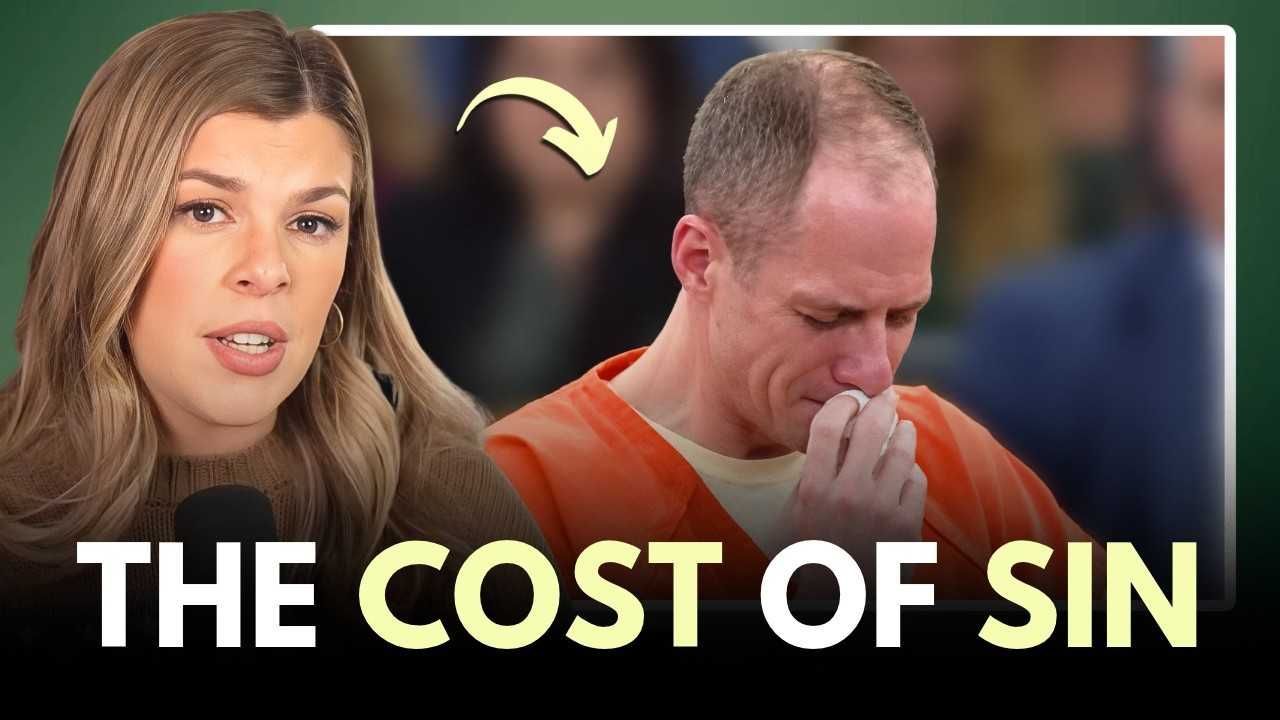
Former music pastor and "American Idol" contestant Caleb Flynn will spend the rest of his life in prison for murdering his wife, Ashley.
Flynn was convicted on October 5 of murder, felonious assault, tampering with evidence, and other charges.
“Prosecutors said and successfully argued that Flynn killed Ashley because he wanted out of their marriage and he was having an affair. He shot her while she was asleep in their Tip City, Ohio, home in February 2026 while their two young daughters were in the house,” BlazeTV host Allie Beth Stuckey says.
Flynn was having an affair with a younger church intern named Alleigha Botner, who testified that Flynn said he “hated” and “wanted to kill her.”
A letter from Flynn’s daughter was read in court, in which she told her father to “repent to God,” as his “time isn’t over.”
And Stuckey believes this is the important part of the case.
“Those last lines are from a place of love and grace from his daughters. They want their dad to be restored to God. They want his repentance because they want him to be forgiven. They don’t want him to go to hell. That is love,” she says.
“Those are wise girls. Obviously, there was a lot going on in their home, but the Holy Spirit has filled them,” she continues.
“Just pray for those girls,” she adds.
While his wife’s parents told Flynn in court that they forgave him, they “asked the judge for the maximum sentence because they desired absolute earthly justice for Ashley.”
“What they’re communicating is 100% correct,” Stuckey says. “They’re releasing bitterness. They’re releasing malice. They’re saying, ‘I don’t own this any more. I’m not holding this. I’m not holding this burden. And I want you to repent, and I want you to be reconciled to God.’”
“At the same time, you need to be punished by the law. The law was invented by God. The government was invented by God,” she continues. “The government’s responsibility to execute the law and execute murderers, by the way, was invented by God.”
Want more from Allie Beth Stuckey?
To enjoy more of Allie’s upbeat and in-depth coverage of culture, news, and theology from a Christian, conservative perspective, subscribe to BlazeTV — the largest multi-platform network of voices who love America, defend the Constitution, and live the American dream.
At Share the Arrows, Allie Beth Stuckey warns: Bible knowledge is fruitless without this
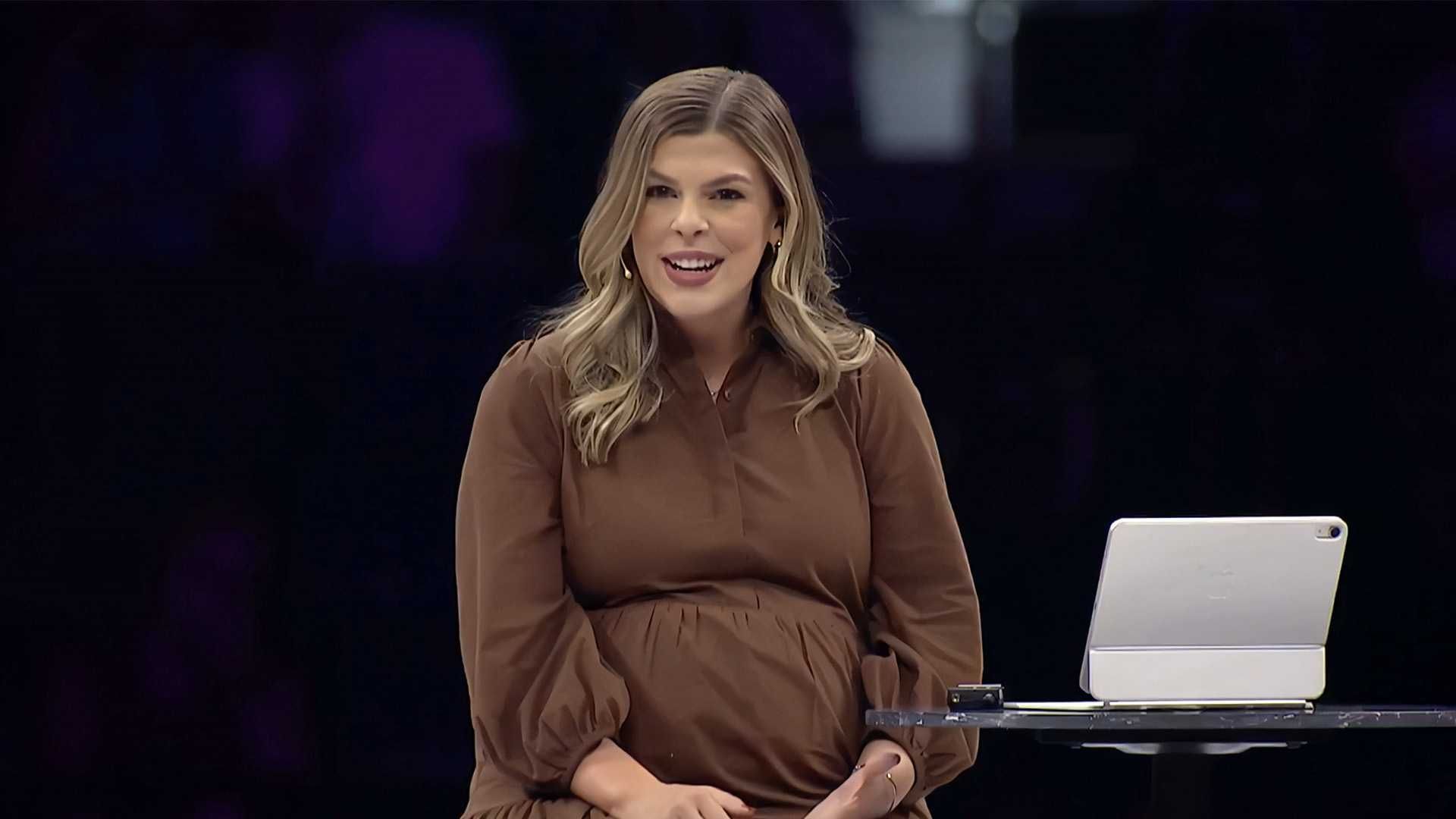
Share the Arrows, Allie Beth Stuckey’s annual women’s conference, returned for a third year on Saturday in Dallas, Texas. The “Relatable” host built the event to encourage and strengthen Christian women seeking sound doctrine and sisterhood when the progressive culture takes aim.
As always, the lineup fit the purpose. Rosaria Butterfield, Sarah Huckabee Sanders, Alisa Childers, and Costi Hinn, among other prominent names in the evangelical world, each took the stage, with Christian music duo Shane & Shane leading worship.
At 37 weeks pregnant with her fourth child, Stuckey closed the event with a powerful speech on the importance of clarity and courage — two words that undergird the entire Share the Arrows conference and her broader platform.
“Clarity comes from knowing God and His Word, and courage comes from trusting God and His Word,” she said.
While these concepts seem to go hand in hand, they’re not always working together as they should. And when they don’t, man gets himself in trouble, Stuckey warned.
The first example, she said, of how knowing God’s Word doesn’t always translate to trusting it goes all the way back to Genesis, when the serpent approached Eve in the garden.
Stuckey pointed out how Satan asked Eve, “Did God really say, ‘You must not eat from any tree in the garden?'” Eve’s response was the correct answer: “We may eat fruit from the trees in the garden, but God did say, ‘You must not eat fruit from the tree that is in the middle of the garden, and you must not touch it, or you will die.”’
Satan responded with what Stuckey called a “half-truth”: “You will not certainly die. For God knows that when you eat from it your eyes will be opened, and you will be like God, knowing good and evil.”
This was enough to convince Eve to disobey God’s command and convince her husband to do the same.
“Eve knew God’s words. Eve had the biblical knowledge. … She could repeat God’s words back to Satan even in a high-pressure moment,” said Stuckey.
What she lacked was “trust.”
“Because of that choice, because of the buying in to the confusion, there’s a distance from God,” she explained. “There’s difficulty with creation, and there’s dissonance between each other.”
The pattern of Eve’s sin — knowing the Word of God but not trusting it — is still playing out today, Stuckey warned. Christians are still confronted with that same question: “Did God really say …?” and Satan is still at the ready to answer with confusion — a “half-truth” that almost sounds biblical.
“The people in shady corners of Manhattan don’t sell knockoff Louis Vuittons by convincing you a Kroger bag is the real thing,” she analogized. “They give you something that looks really close to the real thing because that’s the only way you’ll buy it.”
Satan, too, she warned, is also a master of “counterfeits,” and if we don’t know and trust God, we’ll fall victim to his schemes.
“Ultimately, all believing of lies, all sin comes down to this: Who do you trust?” Stuckey said. “Satan is satisfied with having us puffed up with knowledge. He is OK with us having clarity. None of that matters if we do not trust God.”
She pointed out the epidemic in modern culture, especially when it comes to "progressive Christianity,” of people knowing what God’s Word says about gender, sex, marriage, and the sanctity of life but choosing to believe lies anyway.
“Bible knowledge is not enough if we do not trust God,” she reiterated.
Stuckey then pointed to the example of Jesus, who, like Eve, was tempted by Satan and responded by repeating God’s Word. However, He triumphed because He did what she failed to do: trust God.
“Jesus is the perfect embodiment of not just clarity but clarity and courage,” she said.
God, she urged the audience, is worthy of our courage to trust him. “This God who is love, who is kindness, who is righteousness, who is compassion, who has not spared his own son … if this God is for me … who in the world can be against me?” she asked.
“If this God is for me, then what He tells me to do, what He tells me to say, what He tells me is right, and what He tells me is wrong is for my good and is done in love. It’s not just enough to know that. … You have to trust it.”
Want more from Allie Beth Stuckey?
To enjoy more of Allie’s upbeat and in-depth coverage of culture, news, and theology from a Christian, conservative perspective, subscribe to BlazeTV — the largest multi-platform network of voices who love America, defend the Constitution, and live the American dream.
Costi Hinn makes history at Share the Arrows, urges wives to be 'crowns'
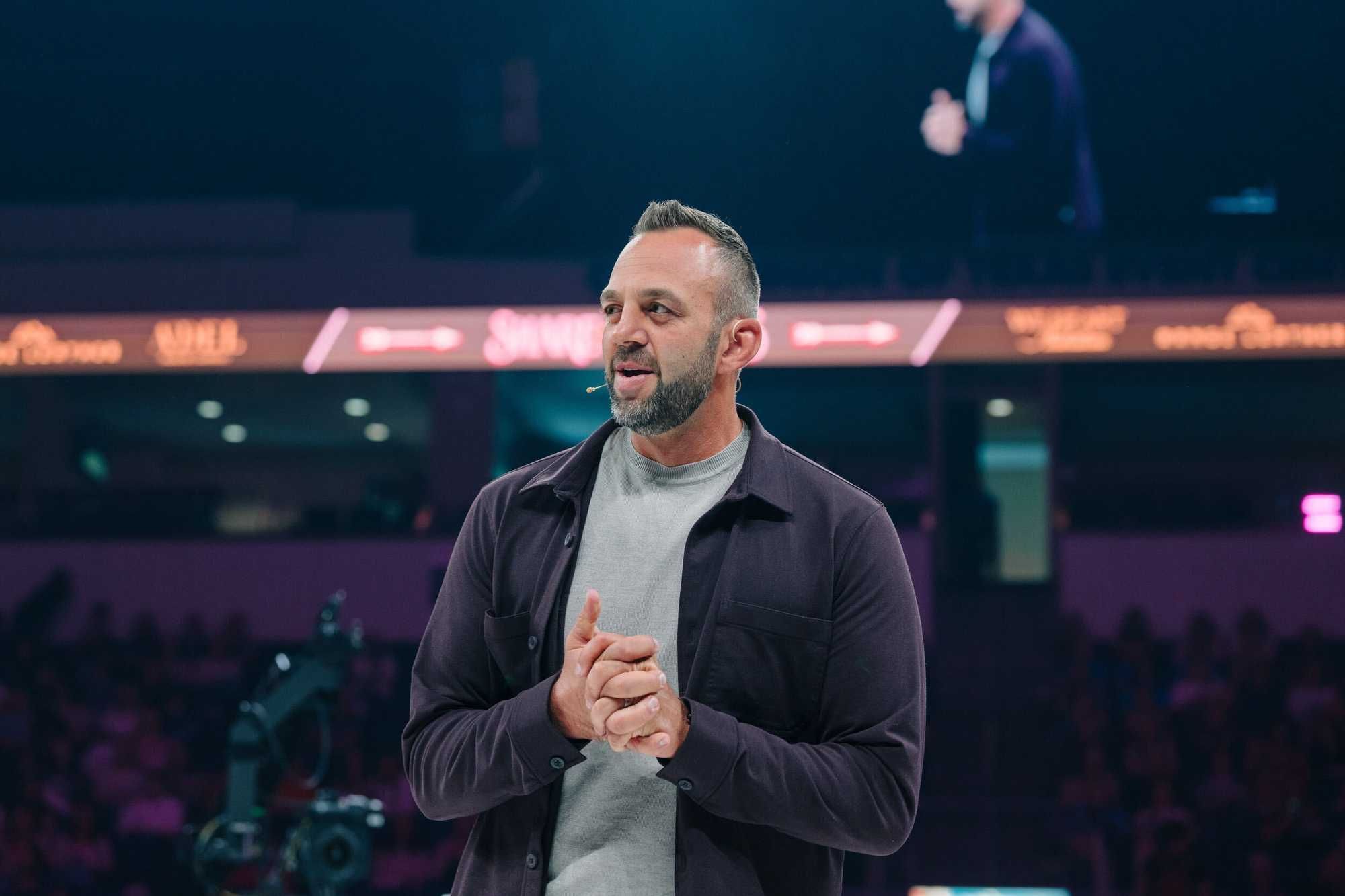
As the nephew of televangelist Benny Hinn, Costi Hinn grew up inside the prosperity gospel and Word of Faith world. In 2013, while preparing to preach on Jesus’ healing of a man at the pool of Bethesda, he studied a John MacArthur commentary, and the faith-healing formula he had believed and preached for years began to unravel. By 2017, he was publicly repudiating the prosperity gospel and embracing Reformed theology.
Today he is the teaching pastor of Shepherd’s House Bible Church in Chandler, Arizona, a Reformed church he helped plant in 2022, and founder and president of the online ministry For the Gospel.
At Allie Beth Stuckey’s third annual Share the Arrows — a women’s conference built to equip Christian women with sound doctrine and to stand with believers under cultural fire — Hinn became the first man to take a teaching slot at the event.
From the stage, Hinn spoke on the difference between a wife who is “the crown of her husband” from Proverbs 12:4 and the one who is contentious, as warned about in numerous verses from Proverbs.
“God has given you a divine calling. You have a responsibility, and it’s not to control everybody else and control every other outcome,” he said. “It is to first and foremost be under the submission that you’re called to be under Christ and to be self-controlled.”
A marriage, he warned, is often “the enemy’s number-one target” because so many other things — parenting, education, and politics — flow “downstream from the home.”
What determines the health of a home, he argued, is the state of the marriage.
“If you have an unhealthy marriage, the devil is going to wreak havoc in so many other areas of your life,” Hinn warned.
Much of a marriage’s health, Hinn said, rises or falls with the wife.
“The greatest benefactor of [a woman’s] ministry,” Hinn preached, “is actually not the world, not the school system, not the arenas” of the world; it’s her “husband.”
“An excellent wife — a woman of high character, of strength, and of valor, and of dignity — this woman, she is the crown of her husband.”
He contrasted this godly woman with the “contentious woman,” whom the book of Proverbs compares to the “continual dripping of rain” and “rottenness in [her husband’s] bones.”
Hinn listed multiple ways wives “drip” on their husbands, including sarcasm, condescension, public shaming, comparing him to other men, being controlling and demanding, and holding past mistakes against him, among others.
There are four truths, he said, every wife needs to know:
- “Every wife is building or breaking her home.”
- “A contentious wife tears down her husband and her home.”
- “Contentiousness is a heart issue; it’s not a husband issue.”
- “An excellent wife is the crown of her husband.”
Hinn concluded with a powerful reminder that the days are fleeting, but the ministry of wives and mothers is eternal.
“[The home] is your ministry. … God gave you it, and all He wanted you to do is to relish in it and enjoy it. Sit in the mess, and know that in the mess, that’s the ministry.”
Want more from Allie Beth Stuckey?
To enjoy more of Allie’s upbeat and in-depth coverage of culture, news, and theology from a Christian, conservative perspective, subscribe to BlazeTV — the largest multi-platform network of voices who love America, defend the Constitution, and live the American dream.
Disgraced pastor releases new book — and Allie Beth Stuckey has serious questions
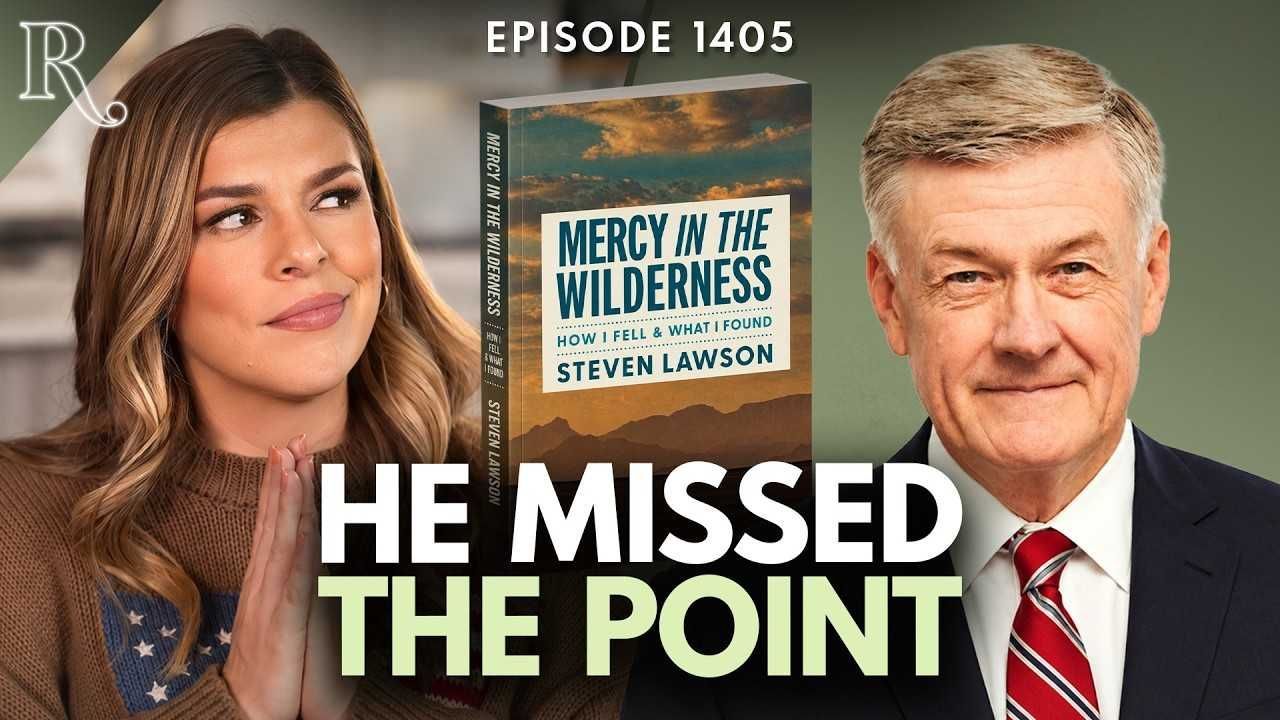
In September 2024, prominent Reformed preacher Steven J. Lawson was removed from Trinity Bible Church of Dallas and from roles within several different ministries after it was revealed that he had an inappropriate extramarital relationship with a woman in her 20s.
While the exact nature of the relationship was never fully explicated, the scandal was enough to “rock the Reformed world,” says BlazeTV host Allie Beth Stuckey, who covered the incident when it first happened.
For a while, Lawson stayed out of the public eye, but he’s recently re-entered with a new book. “Mercy in the Wilderness: How I Fell & What I Found,” which dropped quietly in September, recounts the hidden sin and adulterous relationship that collapsed his ministry in 2024 and frames the aftermath as a story of repentance and God’s mercy rather than a detailed account of what happened.
Several prominent pastors and elders have criticized the book, arguing that Lawson has no business profiting from a book made possible by the sin that disqualified him from pastorship.
“I agree with some of these critics. It's just too soon,” says Allie, noting that she wants Lawson “to be focused on the things of the Lord, the things of the local church, and the things of [his] marriage.”
But it’s also some of the contents in the book that bother her.
While Allie gives Lawson credit for seeming “genuinely repentant” for the sinful relationship, she criticizes the part of the book where he apologizes for “[emphasizing] God's holiness much more than his mercy” in his past sermons.
In the book, Lawson judges himself for being a “prophet of doom” instead of “a pastor of grace,” but Allie never thought he did anything but preach “straightforward” about biblical truth.
“There is something about this that strikes me as odd. Like, who are you speaking to? Like, who are you trying to garner the sympathies of?” she asks.
Speculating that Lawson is perhaps triggered by the idea of harsh preaching because he “didn't like that harshness” when it was his own sin being exposed, Allie says, “I don't know if the audit on his past sermons is coming from a genuine place or if it's even correct.”
She also believes he tempered his admission of pride by “listing his credentials.”
“To me it comes across like, ‘Look, I was also producing so much; I was doing so much and giving so much to the world,”’ says Allie, calling Lawson’s list of accomplishments “a little gratuitous.”
She also disliked Lawson comparing his downfall to that of King David’s with Bathsheba.
“That seems to me like something that you allow someone else to do and maybe not something that you do yourself because it does seem to elevate you to this special chosen appointed position like David that might not actually be applicable to you,” she says.
But Allie’s biggest issue with Lawson’s book is that he “doesn’t address those that he has hurt.”
“Now, he does talk about his wife, and he does admit the problems that he had in their marriage and take responsibility there, but other than that, he doesn't really have a specific address to those that he harmed,” she says.
“If you're going to come out of silence after letting down a lot of people, those people seem to be like the primary audience that you're talking to, right? Like, not just not the people who need to be reminded that they, like David, can commit adultery and then be used by God.”
To hear more of Allie’s critical breakdown of Lawson’s book, watch the episode above.
Want more from Allie Beth Stuckey?
To enjoy more of Allie’s upbeat and in-depth coverage of culture, news, and theology from a Christian, conservative perspective, subscribe to BlazeTV — the largest multi-platform network of voices who love America, defend the Constitution, and live the American dream.
 www.theblaze.com
 www.theblaze.com
 thefederalist.com
 www.theblaze.com